
Web Hosting: Complete Guide (2026) – Types, Features, Benefits, and How to Choose the Best Hosting


4
Introduction
In the digital age, having a website is essential for businesses, bloggers, and entrepreneurs. However, a website cannot exist online without web hosting. Hosting is the backbone of every website, ensuring it is accessible to users around the world.
Whether you want to launch a blog, an eCommerce store, or a business website, choosing the right hosting service is crucial for performance, security, and growth.
This comprehensive guide will explain everything about web hosting, including its types, features, benefits, and expert tips—making it ideal for SEO ranking and AdSense approval.
What is Web Hosting?
Web hosting is a service that allows individuals and organizations to publish their websites on the internet.
- Your website files are stored on servers
- Servers are connected to the internet 24/7
- Users can access your website anytime
📌 Simple Definition:
Web hosting is a service that stores your website data and makes it available online.
How Does Web Hosting Work?
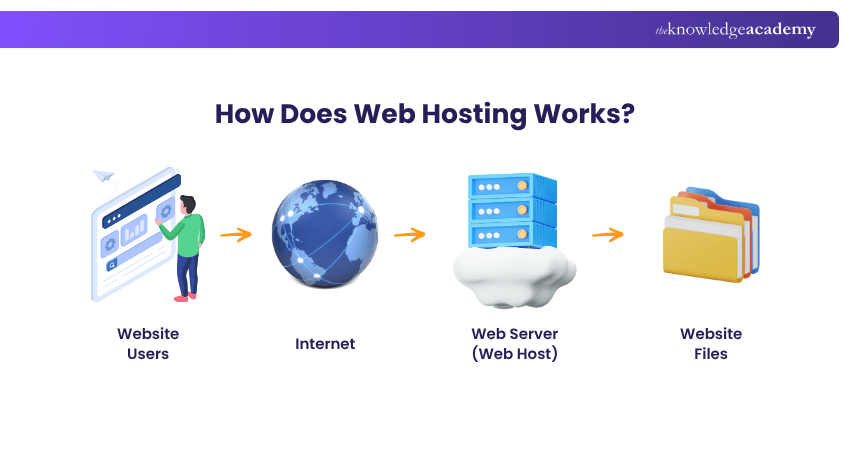
The process of web hosting works as follows:
- You create a website
- You purchase a hosting plan
- You upload website files to a server
- You connect a domain name
- Users access your website via the internet
Hosting providers ensure your website remains online and performs efficiently.
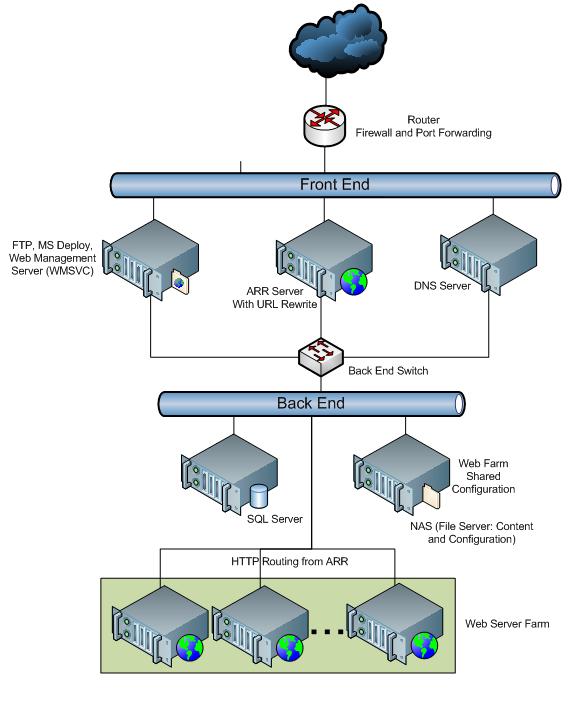
Types of Web Hosting


4
1. Shared Hosting
Multiple websites share a single server.
Best for: Beginners and small websites
Advantages:
- Low cost
- Easy to manage
Disadvantages:
- Limited resources
- Slower performance during high traffic
2. VPS Hosting (Virtual Private Server)
A virtual server with dedicated resources.
Best for: Medium-sized websites
Advantages:
- Better performance
- More control
Disadvantages:
- Higher cost than shared hosting
3. Dedicated Hosting
A full server dedicated to one website.
Best for: Large businesses and high-traffic sites
Advantages:
- Maximum performance
- Full control
Disadvantages:
- Expensive
- Requires technical knowledge
4. Cloud Hosting
Uses multiple servers to host websites.
Best for: Scalable and growing websites
Advantages:
- High reliability
- Flexible scaling
Disadvantages:
- Pricing can vary
5. Managed Hosting
Hosting provider manages technical aspects.
Best for: Non-technical users
Key Features of Web Hosting
1. Storage (Disk Space)
Determines how much data your website can store.
2. Bandwidth
Controls how much traffic your website can handle.
3. Uptime Guarantee
Indicates how reliable the hosting service is (e.g., 99.9%).
4. Security Features
Includes SSL certificates, backups, and firewalls.
5. Customer Support
24/7 support is essential for resolving issues.
Importance of Web Hosting
1. Website Performance
Fast hosting improves loading speed and user experience.
2. Security
Protects your website from cyber threats.
3. Reliability
Ensures your site is always accessible.
4. SEO Benefits
Search engines favor fast and secure websites.
SEO Keywords Used in This Article
- What is web hosting
- Types of hosting
- Best hosting services
- Hosting for beginners
- Web hosting guide
- Hosting features
How to Choose the Best Hosting Provider
✔ Understand Your Needs
Choose hosting based on website size and traffic.
✔ Check Speed and Performance
Fast servers improve user experience.
✔ Look for Security Features
SSL and backups are essential.
✔ Compare Pricing Plans
Choose value, not just the cheapest option.
✔ Read Reviews
User feedback helps in decision-making.
Benefits of Web Hosting
- Makes your website accessible globally
- Improves speed and performance
- Provides data security
- Supports business growth
Disadvantages of Web Hosting
- Cost involved
- Technical issues may occur
- Requires maintenance
📌 Choosing a reliable provider reduces these risks.
Common Hosting Mistakes to Avoid
❌ Choosing the cheapest plan only
❌ Ignoring uptime guarantee
❌ Not checking customer support
❌ Overlooking scalability
Free vs Paid Hosting
| Free Hosting | Paid Hosting |
|---|---|
| Limited features | Full features |
| Ads included | No ads |
| Less reliable | Highly reliable |
📌 Paid hosting is recommended for professional websites.
Web Hosting and Domain: What’s the Difference?
- Hosting: Stores your website data
- Domain: Your website’s address (e.g., www.example.com)
Both are essential to run a website.
Future of Web Hosting in 2026
The hosting industry is evolving rapidly:
- AI-powered hosting solutions
- Green hosting (eco-friendly servers)
- Faster cloud infrastructure
- Enhanced cybersecurity
📌 Hosting technology is becoming more advanced and efficient.
Expert Tips for Beginners
- Start with shared hosting
- Upgrade as your website grows
- Use reliable providers
- Regularly back up your data
Conclusion
Web hosting is the foundation of every successful website. Choosing the right hosting service can significantly impact your website’s performance, security, and growth.
Understanding hosting types, features, and best practices will help you build a strong online presence.
This article is designed to:
- Be highly SEO optimized
- Meet AdSense standards
- Provide valuable, original content
Meta Description (SEO)
Learn everything about web hosting, including types, features, and how to choose the best hosting in this complete 2026 guide. SEO-friendly and beginner-focused.